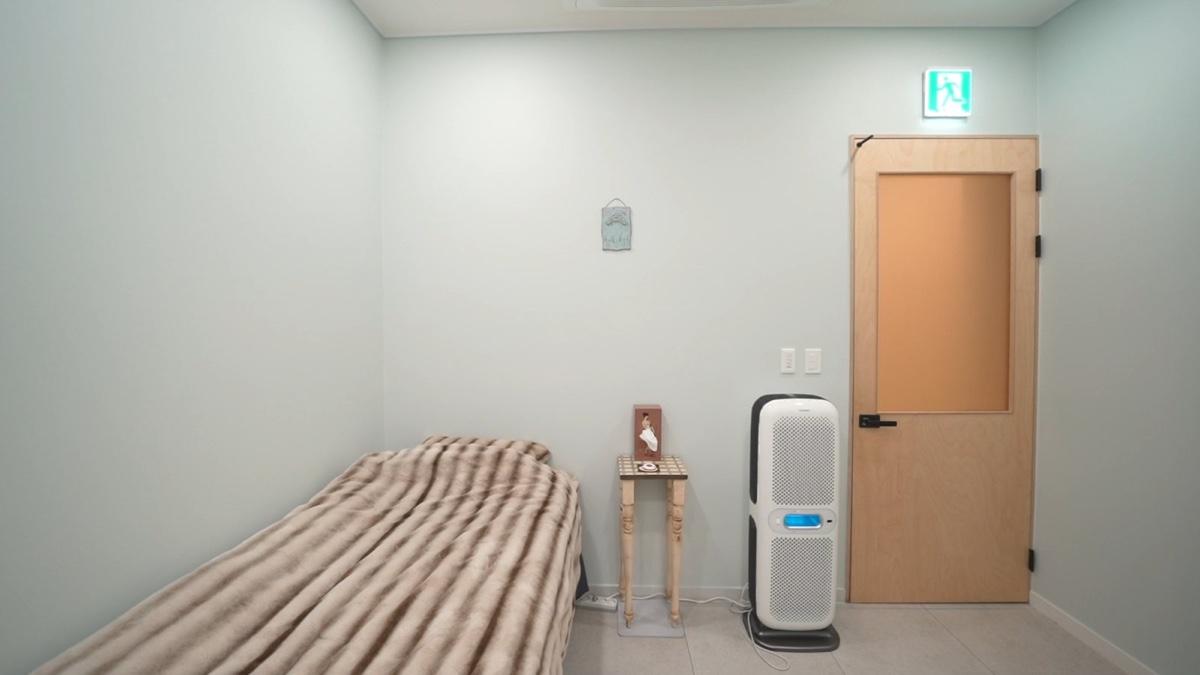
People put this off for months and the reason is almost never the surgery. It is the not knowing what the room will be like — whether you will be asked to undress within a minute of sitting down, whether saying no to something ends the appointment, whether you will be expected to decide before you leave. None of those are how it goes, but nobody says so in advance, so the imagined version is what you are deciding against.
What the first appointment is actually like
It starts with talking, and for most people it mostly stays there. What bothers you, how long it has, what you would want different, whether it is comfort or appearance or both. That part is not a formality — it decides whether an operation is the right answer at all, and sometimes the answer is that it is not.
- An examination is part of planning an operation, because what is possible depends on what is there. But you can ask to leave it to a second visit, and that is a normal request rather than an obstacle.
- Declining something does not end the appointment. You can talk through options, go away, and come back for the examination when you have decided you want to.
- Photographs for the record are a separate conversation — what they are for, where they are kept, who sees them. Consent to record is not consent to publish, those are asked for separately, and you can have the operation while agreeing to neither.
- You can come alone, or bring someone in with you. Both are ordinary. Nobody is kept in the waiting room who you want beside you.
- You do not decide on the day. Leaving to think, and coming back or not, is the expected shape of this.
If you are bringing a photograph of a result you like, bring it. It is easier to point than to describe here, and what those photographs can and cannot tell you is worth reading first so you bring it as a direction rather than as a target.
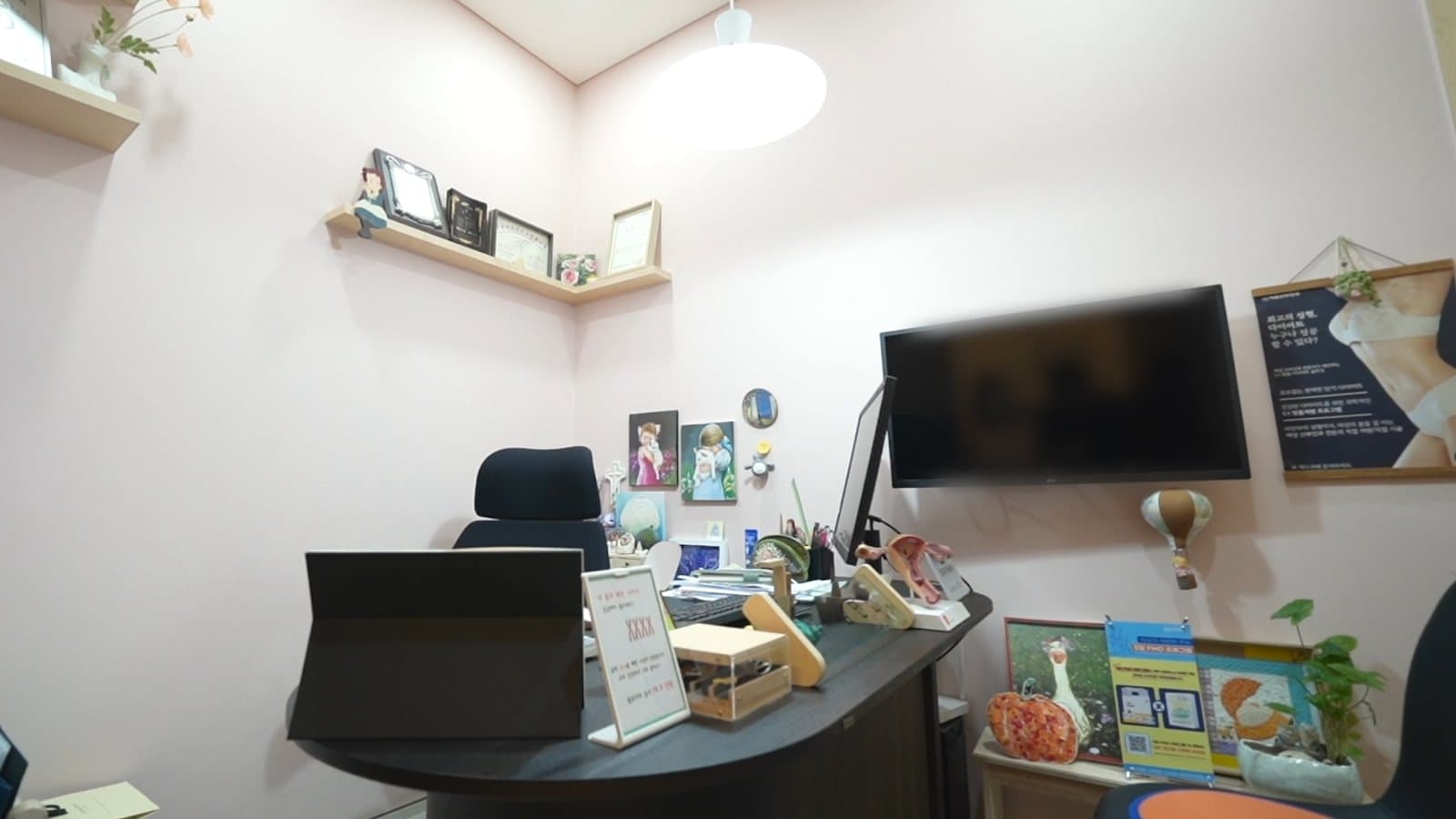
What a consultation should leave you with
Not a decision. A clear enough picture that you could explain the plan to someone else — which is a good private test of whether it was explained to you.
- Which method, and why that one for you. There is usually more than one approach, and the reason yours was chosen should be about your anatomy rather than about the clinic's habit.
- What is removed and what is left. Ask for it in those terms. It is the most concrete question available and the answers vary more than people expect.
- What happens if you do nothing. For some things the honest answer is nothing much, and a surgeon who says so is giving you real information.
- How long recovery takes and what you cannot do during it. Work, exercise, sex, travel — with dates, against your own calendar.
- What can go wrong and what the policy is afterwards. Who you call, what is included, how revision is handled. What can go wrong and when revision is possible sets out which complications are ordinary and which are not.
- Who is operating. It should be the person you are talking to, and if it is not, that is worth knowing now rather than on the day.
The two weeks before
Most of what matters here is about bleeding and healing, and most of it is easy once someone tells you. The one thing that is not optional is telling the clinic everything you take — including the things people leave out because they do not count them as medicine.
- Blood thinners and some painkillers. Aspirin, prescribed anticoagulants, and anti-inflammatory painkillers all increase bleeding. Never stop a prescribed one by yourself — some are far more dangerous to stop than to continue. Tell the clinic, and let them and the prescriber decide together.
- Supplements and herbal medicine count. Fish oil, vitamin E, ginkgo, garlic, ginseng and a number of herbal preparations affect bleeding, and they are the most commonly unmentioned thing in the room. These are usually stopped a week or two ahead.
- Smoking slows wound healing through the blood supply to the skin, and this area heals by close apposition of small edges. Stopping or reducing for a few weeks either side makes a real difference.
- Periods. Surgery is usually scheduled to avoid them. If your dates shift, say so rather than hoping it works out.
- Hair removal. Follow the instruction you are given, and do not shave the area the night before on your own — fresh razor nicks are a route to infection and inflamed follicles. Any clearing needed is done at the clinic.
- Fasting, if you are having sedation. You will be given exact hours; follow those rather than general advice, including whether water is allowed and until when.
The day itself
The shape of it is shorter and plainer than most people picture. Arriving, checking what is being done and marking it, anaesthetic, the operation, and then a while in a quiet room until you are properly awake.
- Local anaesthetic means you are awake, the area is numb, and you may feel pressure and movement without pain. Many of these operations can be done this way.
- Sedation means you drift off, you do not experience it, and you will not remember it afterwards. You keep breathing on your own throughout, and your oxygen, heart rhythm and blood pressure are monitored continuously by someone whose job is that.
- It is fair to ask who is watching you while you are asleep, what is being monitored and what equipment is in the room for a problem. Any clinic should answer that without defensiveness.
- Waking up is foggy and sometimes a little nauseated, and it passes. Most people are surprised by how ordinary it feels and by how quickly it was over.
- You walk out. You are not carried, you do not need to lie flat for hours, and sitting is managed by sitting carefully rather than by not sitting.

Getting home, and the days after
The first two days are the ones people have no picture of, and they are more boring than feared. Cold packs in short spells, loose cotton, rinsing with warm water rather than wiping, lying on your side rather than sitting squarely, and painkillers taken on schedule rather than waited for.
- Take the painkillers before it hurts, on the schedule given. Catching up with pain is harder than staying ahead of it, and there is nothing earned by enduring it.
- Swelling peaks around the third day, not the first. Being worse on Thursday than on Tuesday is the expected shape, not a sign of something wrong.
- Know what counts as a phone call. One side swelling tensely with rising pain, fever, redness spreading outward, soaking bleeding, or being unable to pass urine at all. Which of these is ordinary and which is not goes through them properly.
- Go to the follow-up even if nothing is wrong. It is where a problem gets caught while it is small, and where the record of your own healing gets written down.
- Keep your own dated notes, and your own photographs if you want them. Months later, at a review or a revision discussion, your record is often better than anyone's memory. How to read such photographs applies to your own too — same light, same angle, same distance, or they will not compare.
Common questions
Do I have to be examined at the first visit?
An examination is part of planning an operation, because what is possible depends on what is there. But asking to leave it to a second visit is a normal request, not an obstacle, and declining it does not end the appointment — you can talk through the options and come back when you have decided you want to go further.
Do I have to let you photograph me?
No. Photographs for the clinical record are explained and consented to on their own terms, and consent to record is a separate question from consent to publish — agreeing to one is not agreeing to the other. You can decline both and still have the operation. Many people do agree to the record because it is genuinely useful later, when comparing from memory would not work.
Sedation frightens me. Is it safe?
Sedation for a procedure of this size is routine, and what makes it safe is monitoring rather than luck: you breathe on your own throughout while oxygen, heart rhythm and blood pressure are watched continuously by someone whose job that is, with equipment in the room for a problem. Those are fair things to ask about before booking, and any clinic should answer without defensiveness. Fasting instructions and an adult to take you home are part of the same safety, not formalities.
Can I go home on my own afterwards?
Not after sedation. An adult has to take you, and the rule covers the rest of the day — no driving, no signing anything, no decisions that matter. The drug wears off faster than judgement returns, which is why it is measured in hours rather than in how awake you feel. With local anaesthetic alone it is usually fine to leave by yourself, but confirm that when booking rather than on the day.
What if my period falls on the day?
Surgery here is usually scheduled to avoid it, so tell the clinic as soon as your dates look like shifting rather than waiting to see. Moving an appointment is easy; arriving on the day and finding it has to be moved anyway is the version that wastes a day off work. The same applies to a cold, a fever or a skin infection anywhere near the area.
Talk to someone, privately
Ium in Seocho supports international women with confidential, English-speaking care. Reach out with a message or a call — no pressure, no judgment.
Book a private consultationThis article is general information, not medical advice, and does not replace a consultation with a licensed doctor. Details of care and current guidance should be confirmed directly with the clinic.